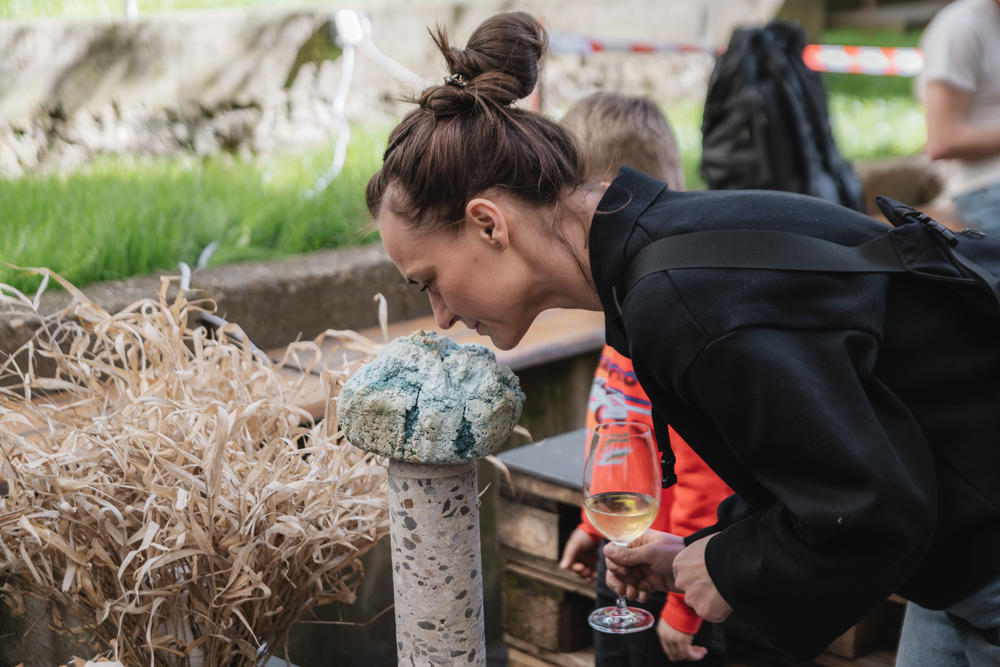
A Celebration of Embodied Ways of Knowing
VŠKK Prague, 27 April 2025
The MAKING SENSE Minifestival welcomed guests to an immersive afternoon and evening of creative exploration through the senses. Hosted by the Making Sense Lab at VŠKK, this one-day event invited artists, students, researchers, and the curious public to engage in a hands-on investigation of how we know—through our bodies, materials, and environments.
This inaugural edition of the festival foregrounded embodied, multi-sensory ways of knowing, challenging participants to reflect on how perception, memory, materiality, and place shape our understanding and meaning making. The event launched with a series of workshops and drop-in sessions designed to expand creative processes through embodied engagement with a place and specific materials we come into contact with. Guests were encouraged to think through making, collaborate, and pay attention.
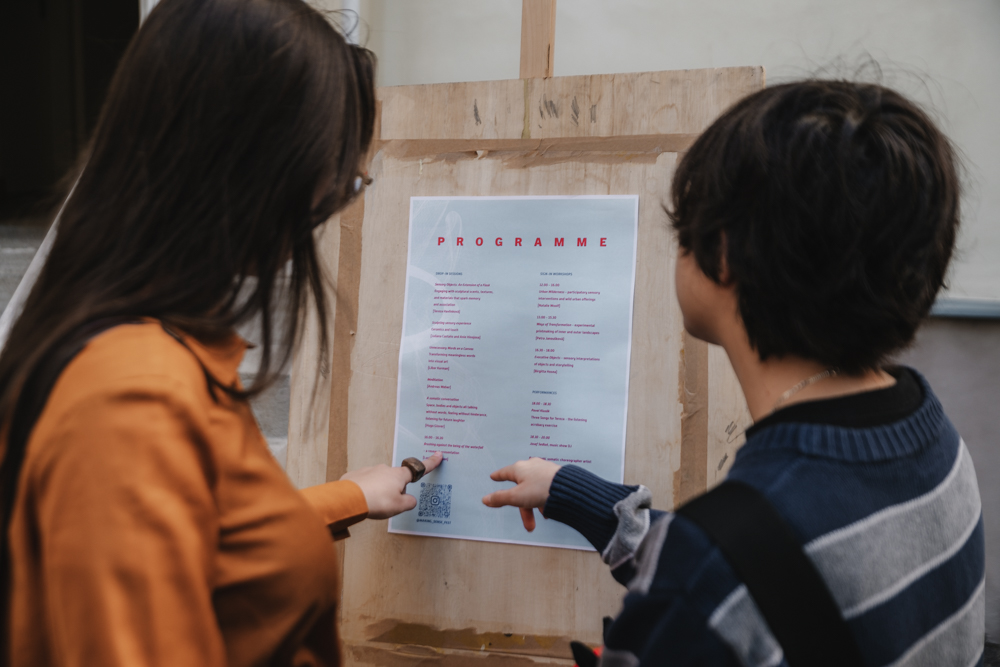
Making Sense – Ways of Knowing – the questions we asked…
- What does it mean to know something?
- How do we engage in a process of deepening knowing, of sense-making?
- How does your personal practice—whatever it may be—help you know something more intimately, deeply, through the senses?
- What methods or tools do you use to get to know something?
- What role do the materials and environments around us play in shaping what we know?
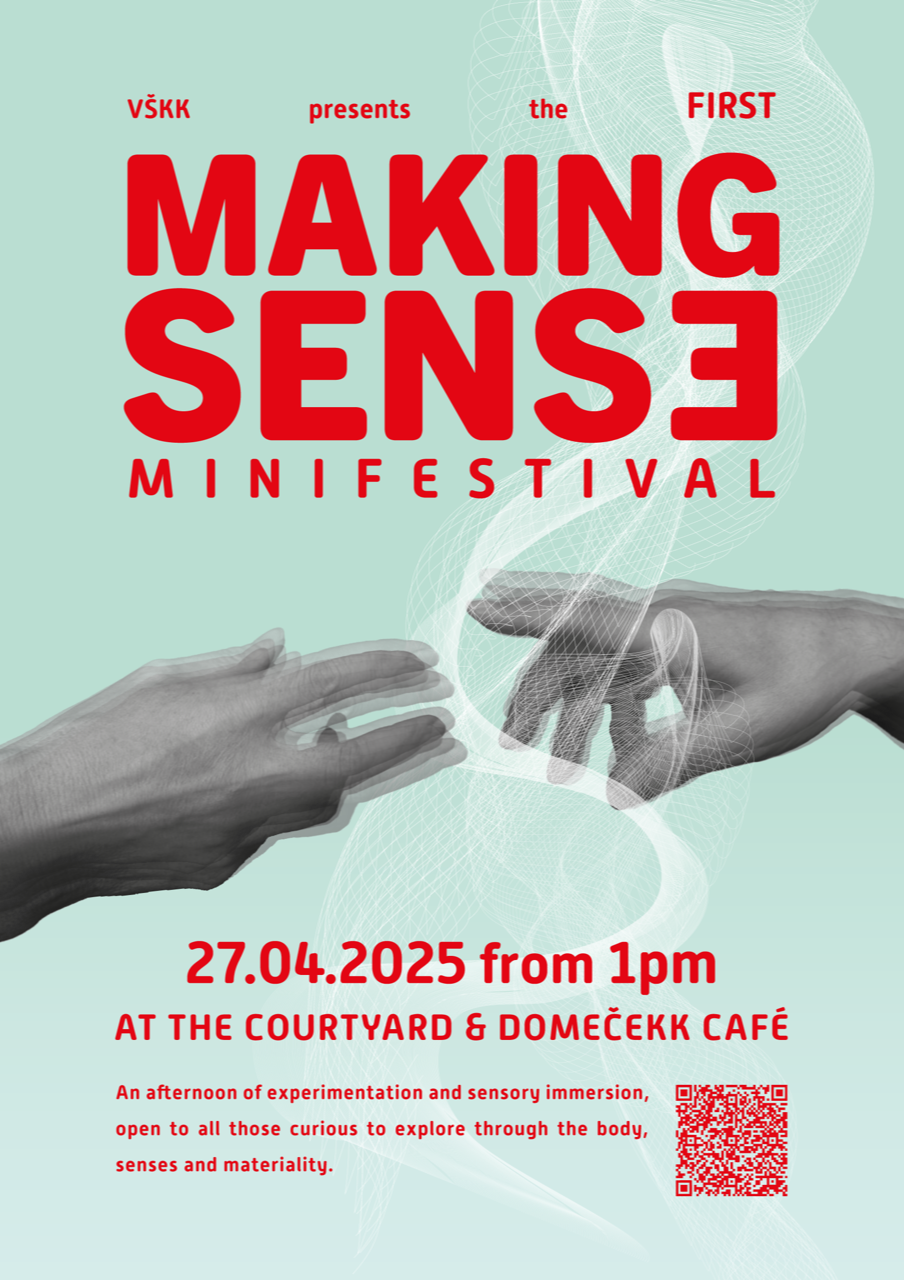
The programme included:
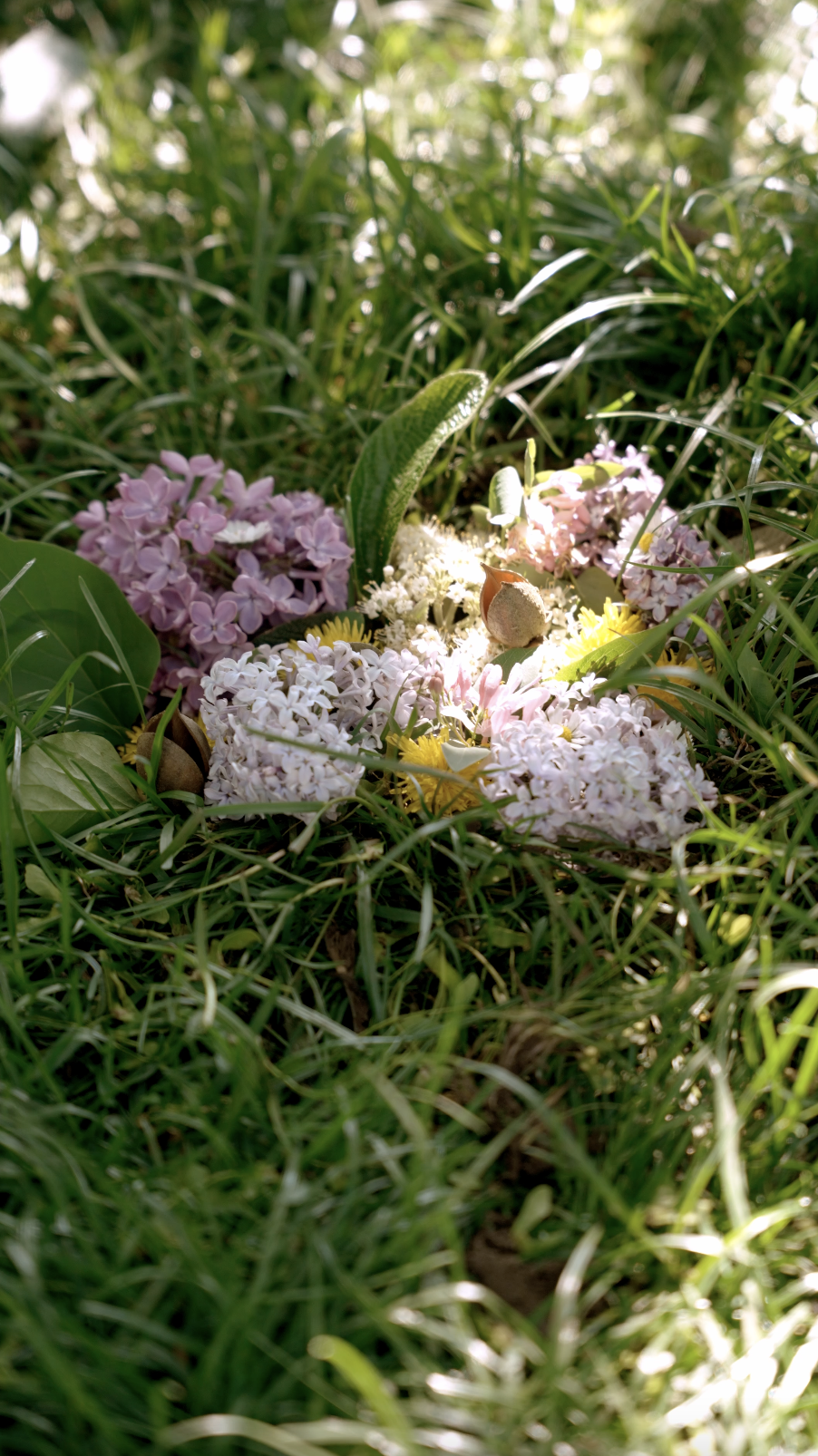
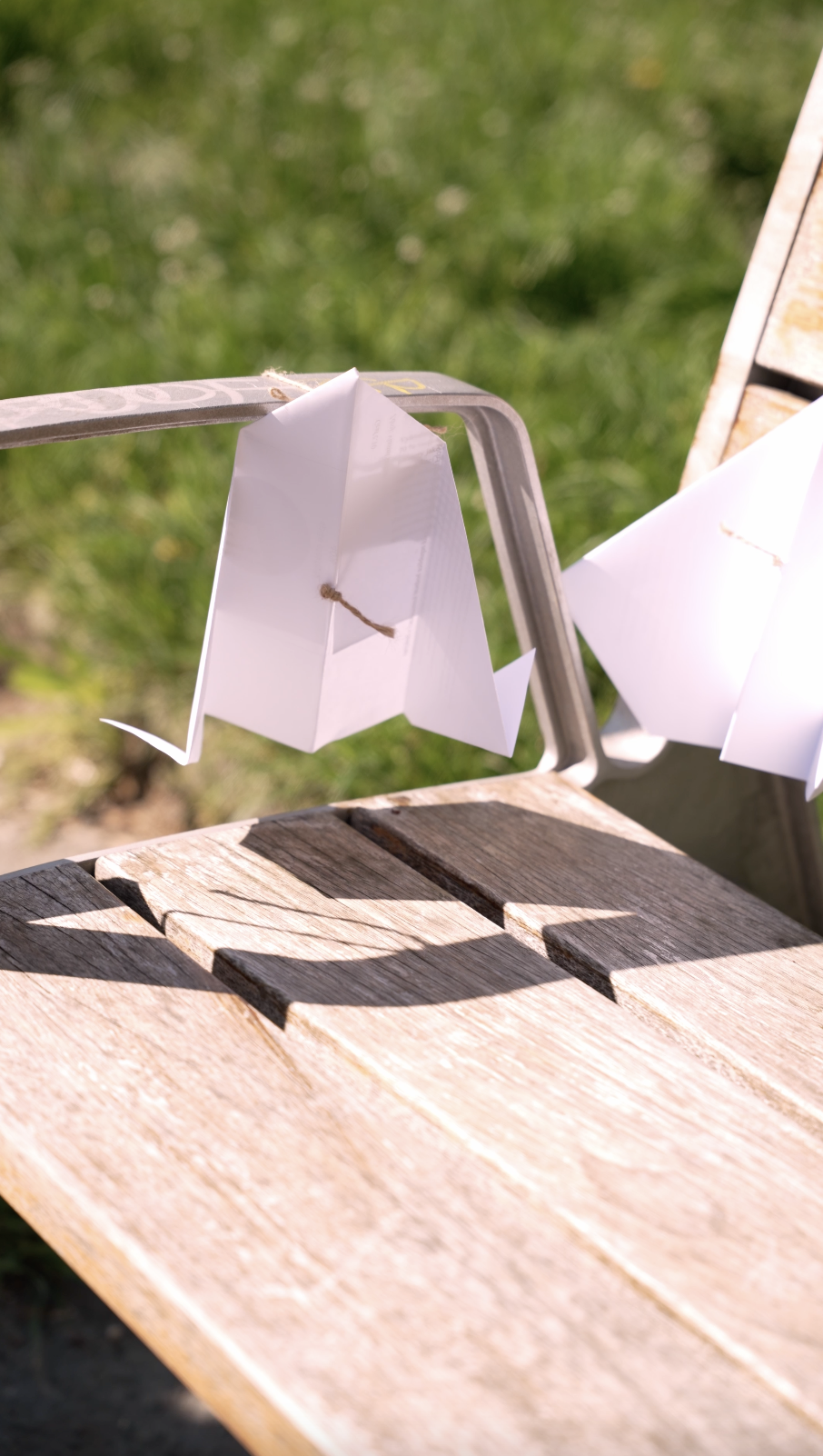
Dr. Natalie Woolf (Portugal) – Urban Wilderness workshop
This workshop engages multiple senses and challenges the participants to steal back time and pay attention to those small delights we find amidst the city’s chaos. Exploring sculptural intervention and expanded drawing practices, we look for and celebrate Urban Wilder-ness.
Natalie Woolf is an artist and professor/researcher at Universidade Lusófona, co-curating the DELLI drawing program and teaching expanded and exploratory drawing practices in the Animation and Communication Design BA and MA courses. Holding a PhD from the Royal College of Art, her research on material responsiveness evolved into public arts consultancy, where work on site-specific interventions and urban design projects has influenced her academic and creative practice.
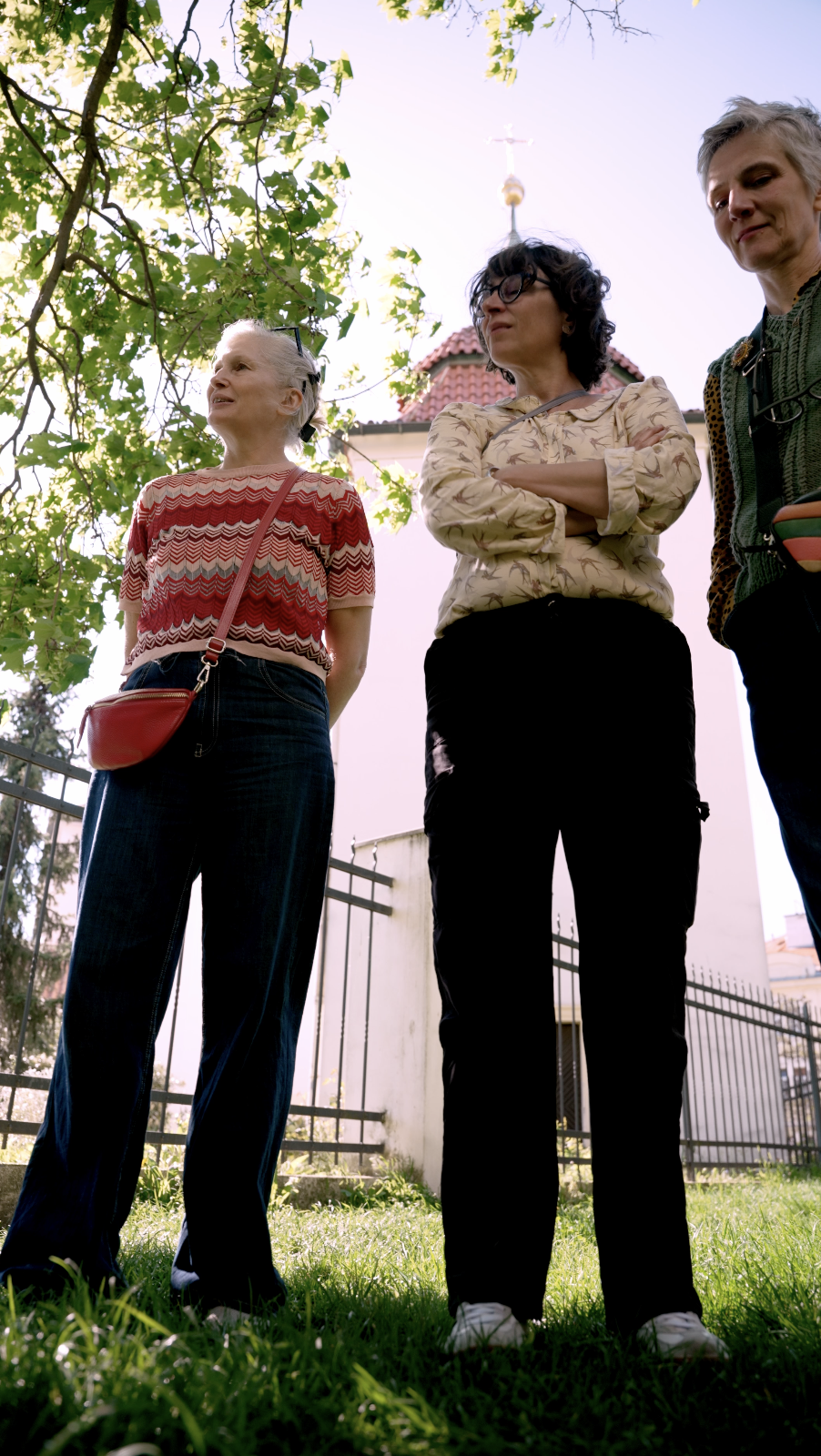
Petra Janoušková (CZ) – Ways of Transformation: Experimental printmaking as reflective practice
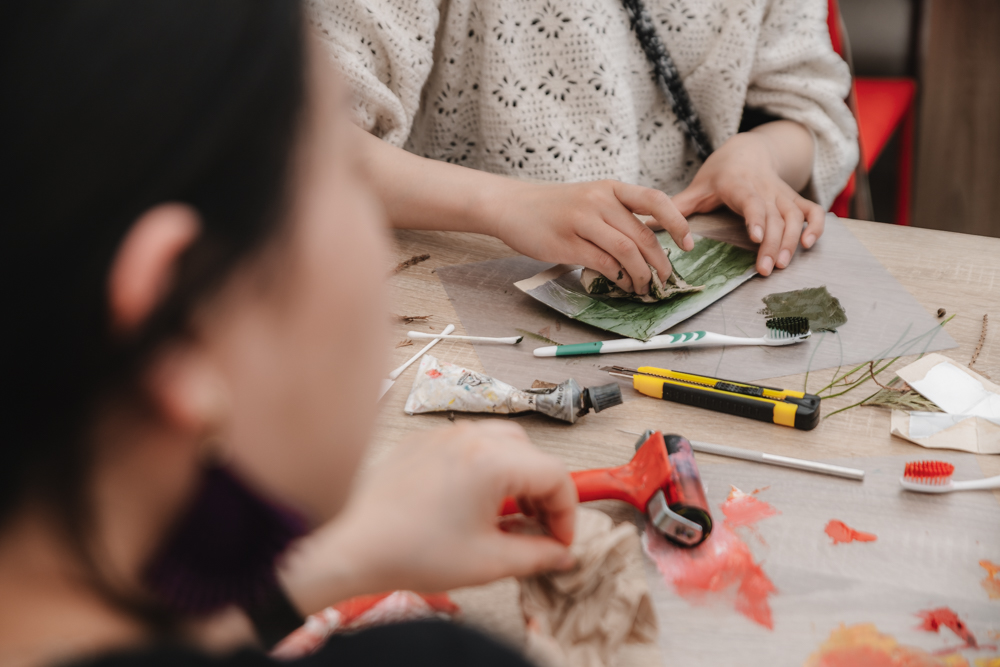
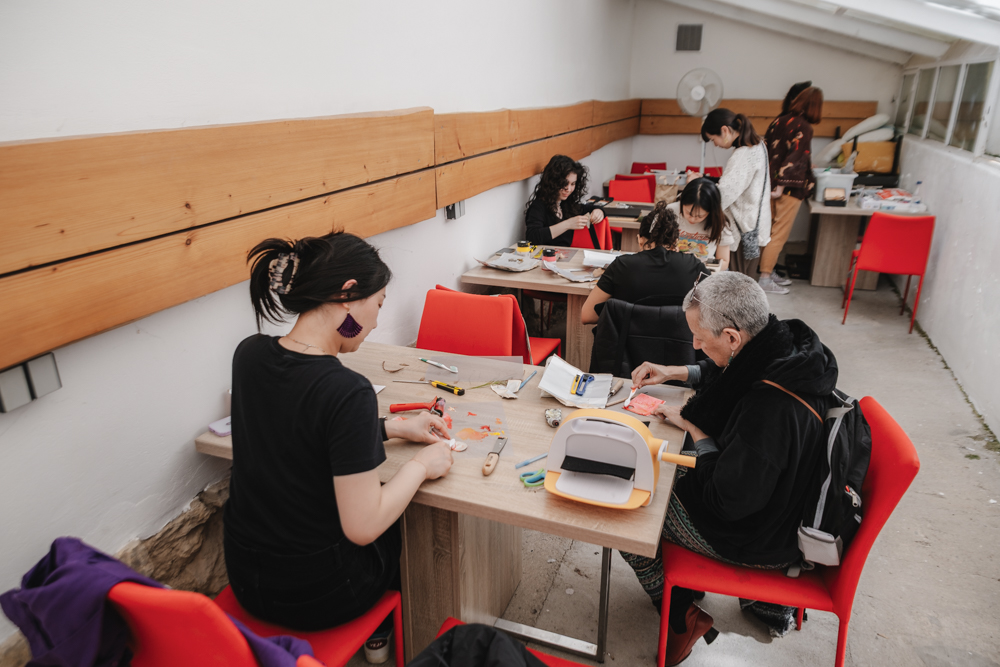
In this workshop participants explored their sense of belonging through experimental printmaking. Our focus was on the theme of individual inner landscapes, places of belonging reflected in the outer world (landscapes) and vice versa. Experimental printmaking mostly included/combined monotype and intaglio using discarded objects or vegetation such as tetrapak, foil, hide, plastic, sinew, ropes, plants or metal.
Petra Janoušková is a secondary school teacher, experimental printmaker and shamanic practitioner. She has MA from English and American Literature, Art History and Ethnography, Faculty of Arts, MU Brno and Art Therapy Certificate from MU Brno.



Professor Birgitta Hosea (UK) – Evocative Objects: Sensory storytelling through personal objects
In this workshop, we explored sensory approaches to interpreting objects and use this as a starting point for storytelling. Ornaments, records, jewellery, clothes, books, pictures, kitchen equipment… collections of objects commonly serve many functions: to affirm our identity or status; as a repository of memories, a reminder of times past and loved ones who have passed; to preserve culture or heritage; as a financial investment or to demonstrate a sense of belonging or even control.
Birgitta Hosea, Professor of Moving Image and Director of the Animation Research Centre at UCA Farnham, is an artist / curator known for her innovative approach to expanding animation who creates live events, exhibitions, installations, durational images and short films. Previously, she was Head of Animation at the RCA (2016-18); Course Director of MA Character Animation (2000-15) / Research Leader in Performance (2011-4) at Central Saint Martins, where she also did her PhD. Amongst academic publications on drawing and experimental animation, her most recent book is Performance Drawing: New Practices Since 1945 (Bloomsbury, 2020) co-written with Foá, Grisewood and McCall.
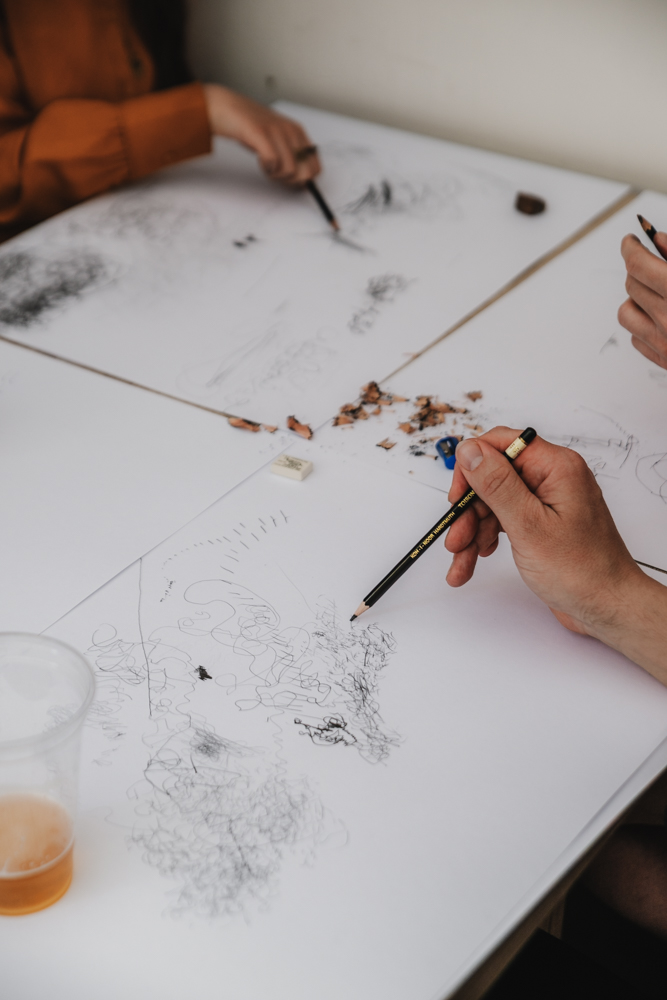

Dr Hugo Glover (UK) – A Somatic Conversation: Tuning into body-object-space dialogues
Space, bodies, objects – each talking without words, feeling without hinderance – watering curiosity – listening for future laughter.
Hugo Glover is an Assistant Professor in the Faculty of Arts, Design and Social Sciences at Northumbria University. His research and teaching explore animation as an expanded field—one that materializes time and sensation through technology. Core interests include drawing, practice-based research, and tacit knowledge—particularly how embodied cognition and the human nervous system inform creative practice. He embraces dyslexic thinking and ADHD as integral to his transdisciplinary approach to research, teaching, and making and mistakes

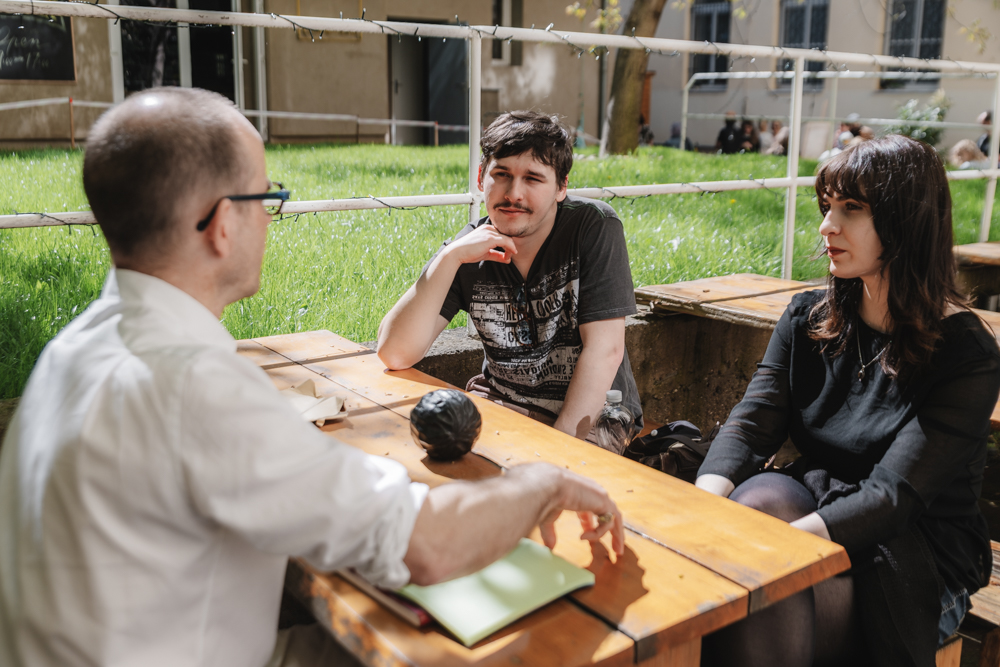
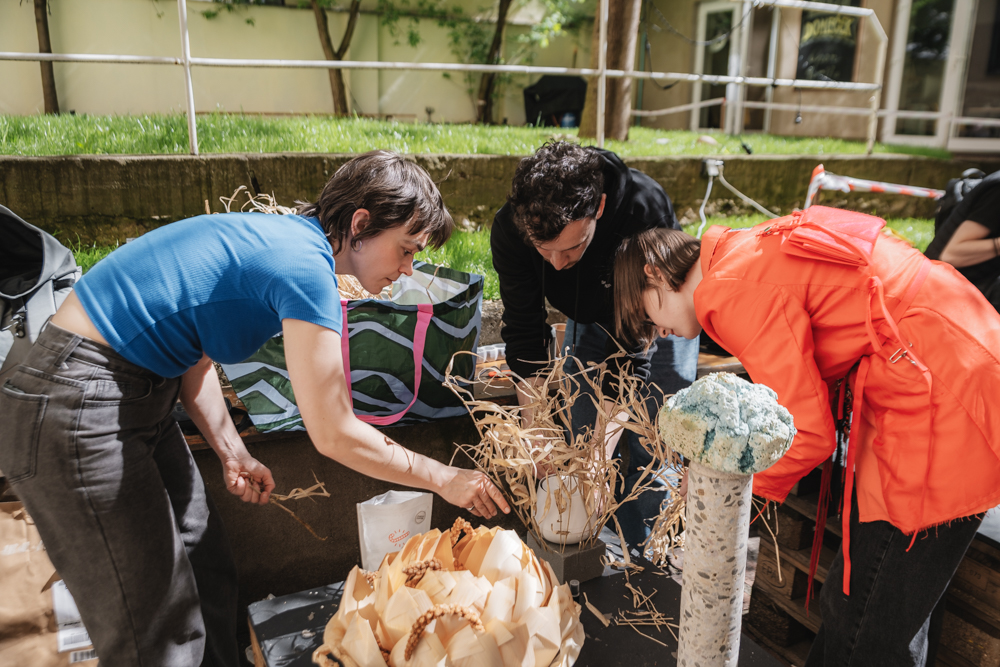
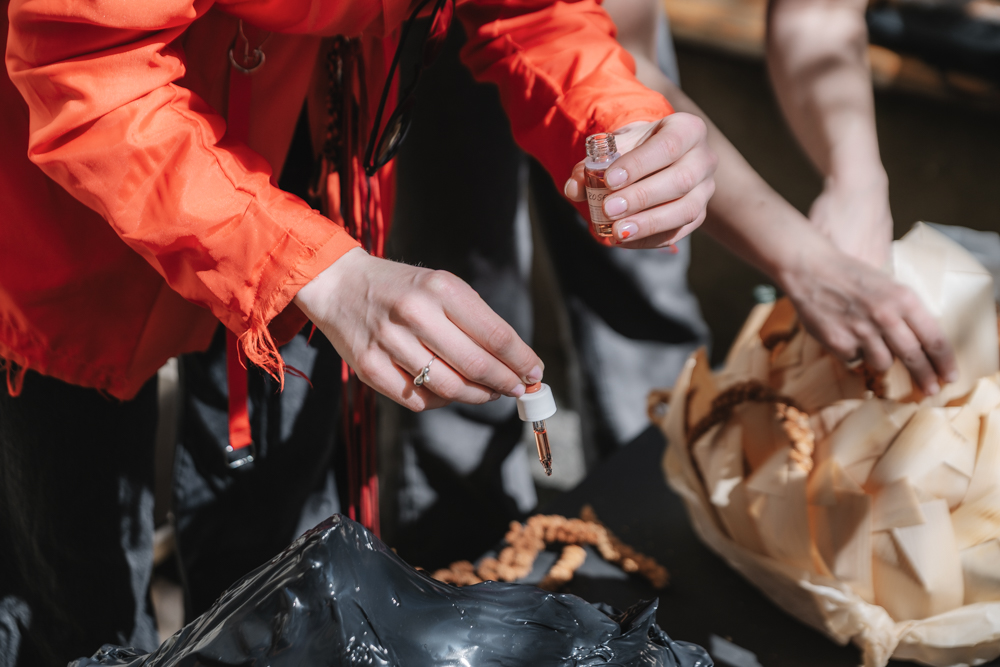
Tereza Havlínková – Sensory Objects / Extension of a Flask
Smell is a powerful yet under-explored sense in the arts — capable of evoking memories, emotions, and physical responses. In this installation, scent becomes a medium for sculptural expression. Combining fragrance with textures, materials, and forms, these “extended flasks” invite visitors to engage their senses and reflect on the connections between smell, memory, and perception. A space for multisensory exploration and conversation.
Tereza Havlínková is a Prague-based photographer, podcaster, and moderator. After studying at FAMU, she worked as an assistant in the intermedia studio. She has been broadcasting on Radio Wave for several years, where she is also part of the editorial team. In addition to her work in photography and radio, Tereza has contributed to various projects, including creating visuals for the podcast series “Odcizení” on Radio Wave.


Andreas Weber – Meditation Session
Andreas Weber is a Berlin-based biologist, philosopher, and author. He explores the intersection of ecology, embodiment, and meaning, developing the concept of enlivenment — a framework that redefines our relationship with the natural world as one of mutuality and deep interconnection.

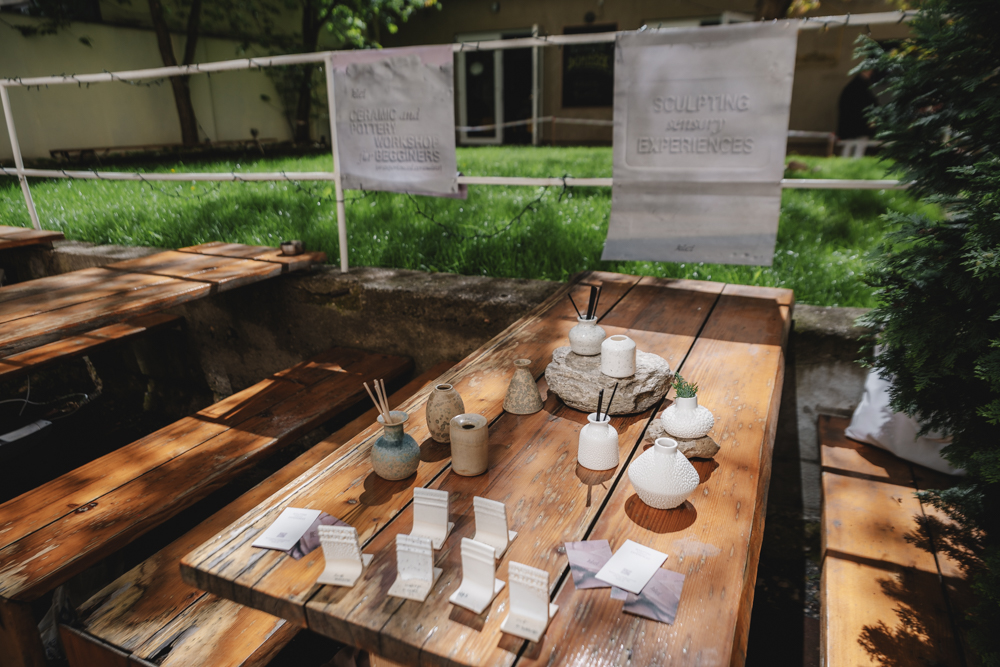
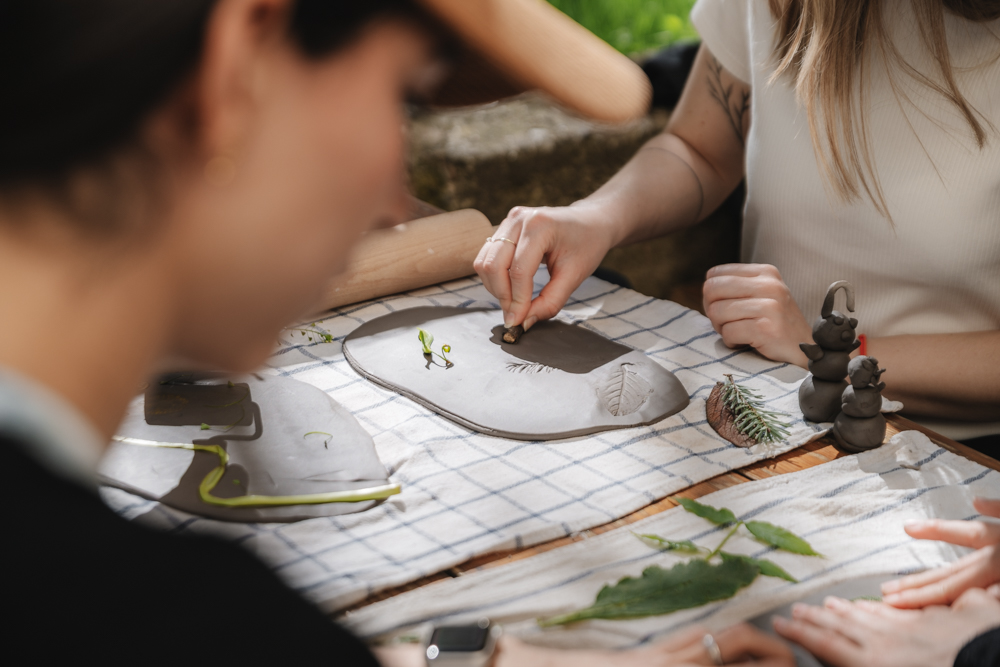
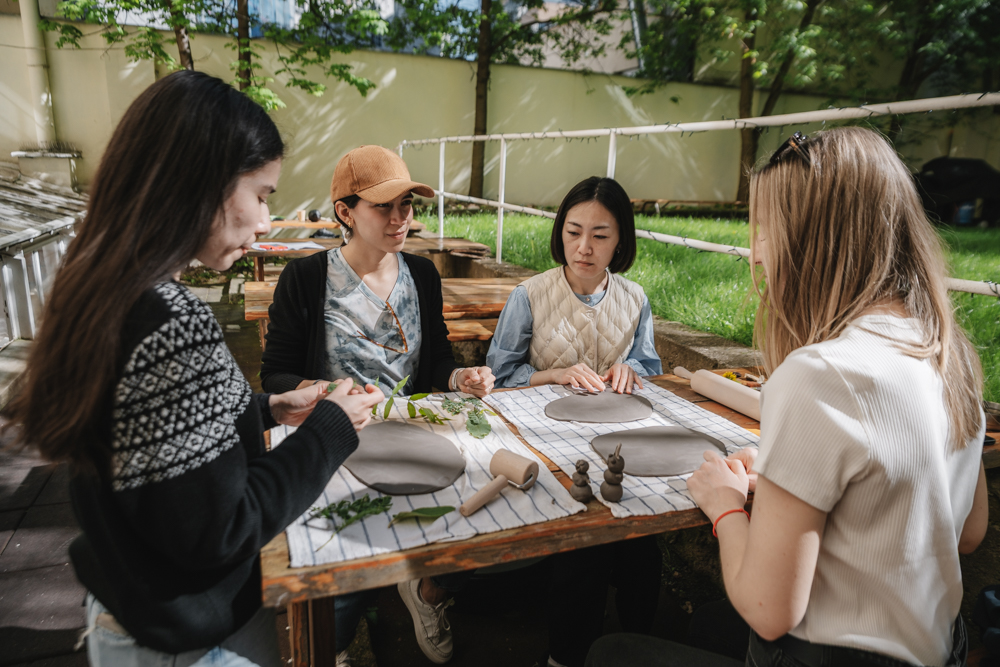
Klei – Juliana Castaño (Colombia) & Anie Hinojosa (Mexico) – Sculpting Sensory Experience: Clay and touch
Klei is a collaborative ceramics studio founded by Juliana Castaño (Colombia) and Anie Hinojosa (Mexico), both graduates of the Academy of Arts, Architecture and Design in Prague. Their practice centers on tactile exploration, material storytelling, and the interplay between form and function. Through hand-built and wheel-thrown techniques, they create sculptural vessels that invite sensory engagement and evoke emotional resonance.
At the Making Sense Minifestival, Klei presented an open studio session titled “Sculpting Sensory Experience”. Participants were invited to engage with clay through touch, exploring how materiality and form can convey personal narratives and sensory perceptions. For more information about their work, visit their Etsy shop or follow them on Instagram at @klei_ceramics.

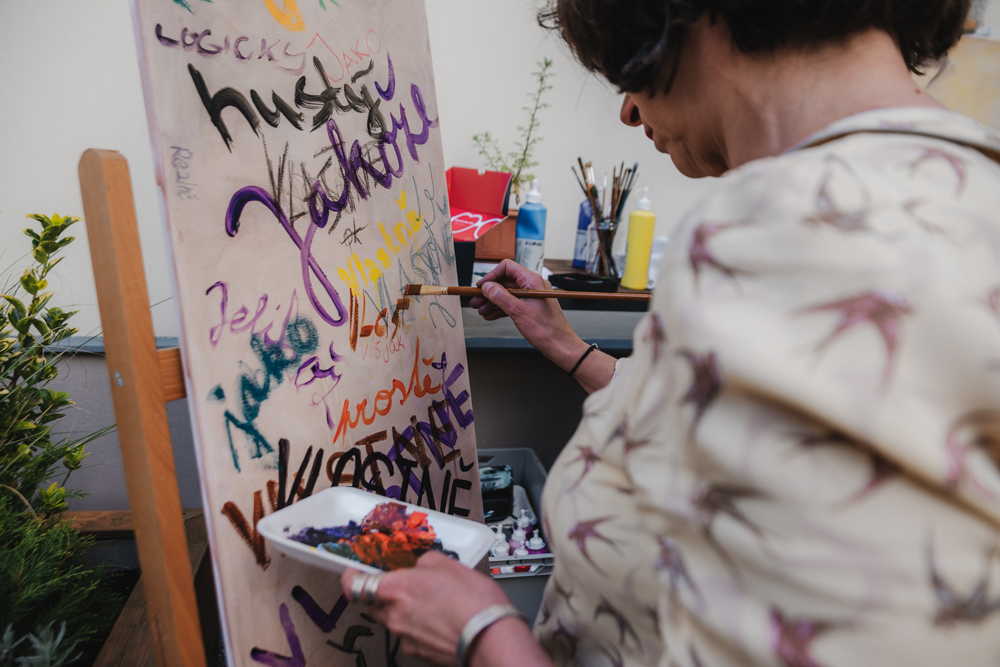
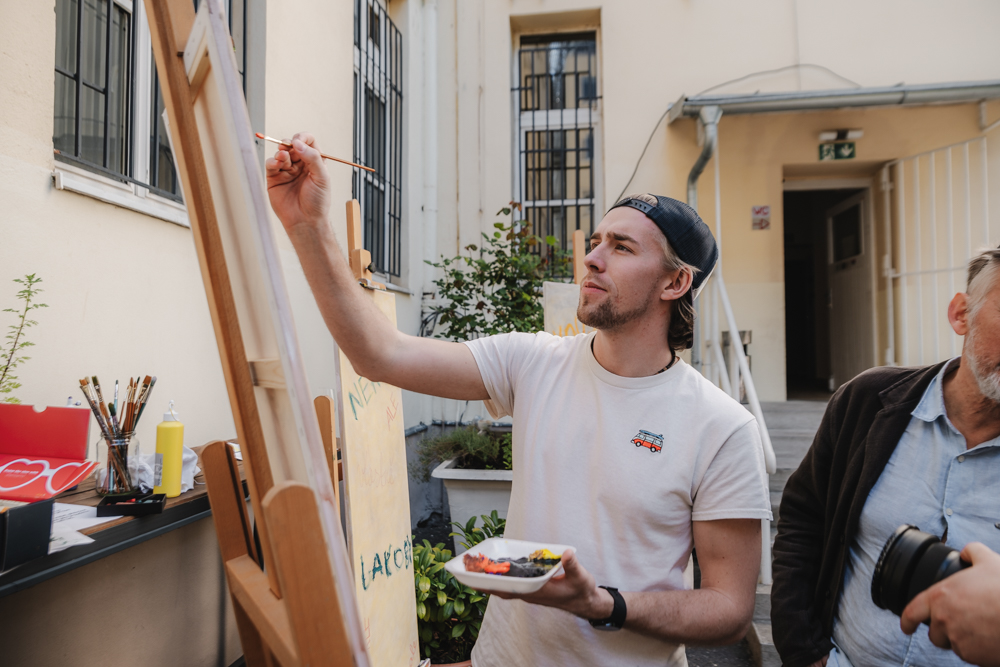
Libor Korman (CZ) – Unnecessary Words on a Canvas: Transforming the banal into visual poetry
Libor Korman is a visual artist, graphic designer, and educator with over two decades of experience in both artistic and commercial creative work. He leads experimental workshops focused on intuitive visual expression, helping participants reconnect with their creativity through playful, hands-on approaches that blur the lines between design and fine art.


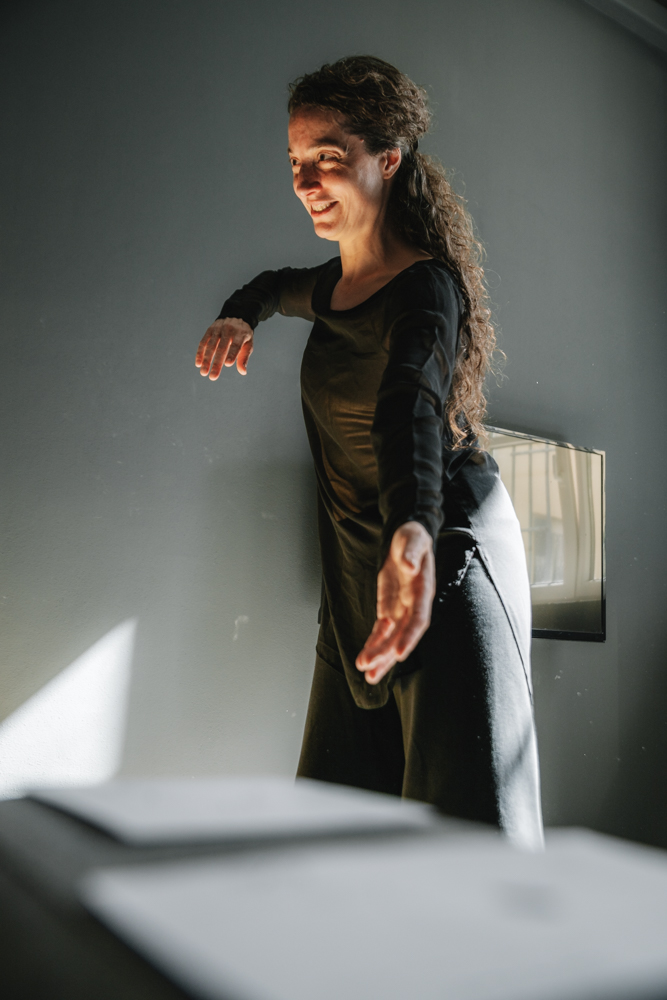
Katja Vaghi – Kinesthetic Interventions: Movement as inquiry
A Swiss Italian dance researcher, choreographer and, somatic teacher, Katja Vaghi trained in ballet and modern dance in the US, holds an MA in literature and linguistics (Zurich University) and a PhD in dance philosophy (University of Roehampton).
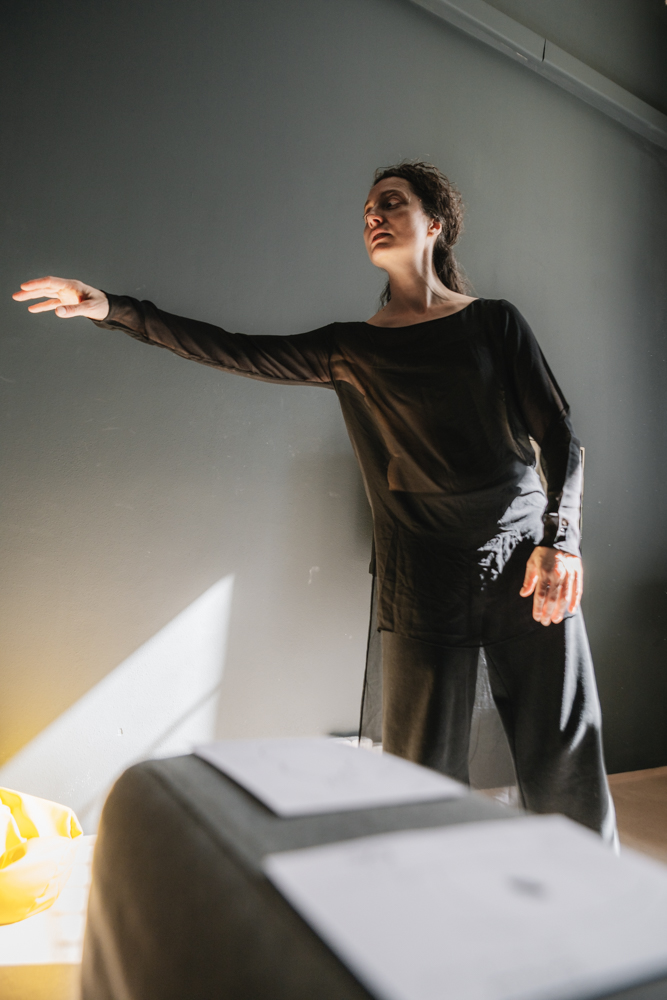
Lucie Winterson – Brushing against the being of the waterfall
Lucie Winterson introduced her PhD research where in collaboration with a waterfall she considers how art practices can exist in a space of mutuality between the human and more than human, wild world.
Lucie Winterson is a visual artist based between London and Devon, UK, working primarily with lens-based media and painting. Her practice centres on specific landscapes, seeking to visually articulate an evolving dialogue between humans and the natural world—particularly in the context of the environmental crisis.

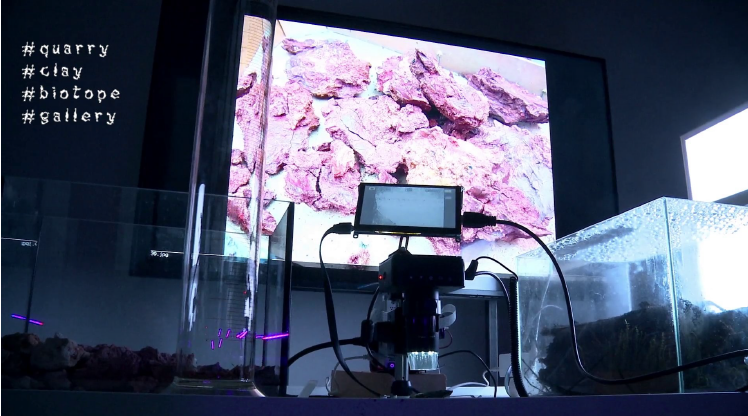
Michal Klodner – Film screening of “Open Lab Book”, 2025
A hybrid of a film and a multidisciplinary lab notebook that guides you through projects of practice based research in node9.lab and collaborations. Experience performances, permacomputing, solarpunk and glimpse the environmental future of technologies with field recordings of plants, birds and insects or (microscopic) photography.
Michal Klodner is a Czech researcher, curator, and media artist whose work bridges digital culture, ecology, and experimental media. With a background in information science and coding, he co-founded and curates the digital community platform node9.org, focusing on online activism, digital curation, and postmediality.
Josef Sedloň – Closed the evening with an atmospheric DJ set
MAKING SENSE mini-fest was conceived and curated by Tereza Stehlíková, a Czech-British artist, researcher, and educator working at the intersection of sensory perception, embodiment, and creative practice. She holds a PhD from the Royal College of Art, London, and leads the Visual Arts Department at VŠKK in Prague. She also teaches artistic research at AMU, FAMU, and UMPRUM. Her work spans moving image, installation, and participatory performance, often through cross-disciplinary collaboration. She is the founder and editor of Tangible Territory, an online journal exploring sensory ways of knowing. Her current projects investigate how embodied experience shapes meaning and memory. She is the author of Exiled from our Bodies – How to Come Back to our Senses monograph, published by Routledge 2025.
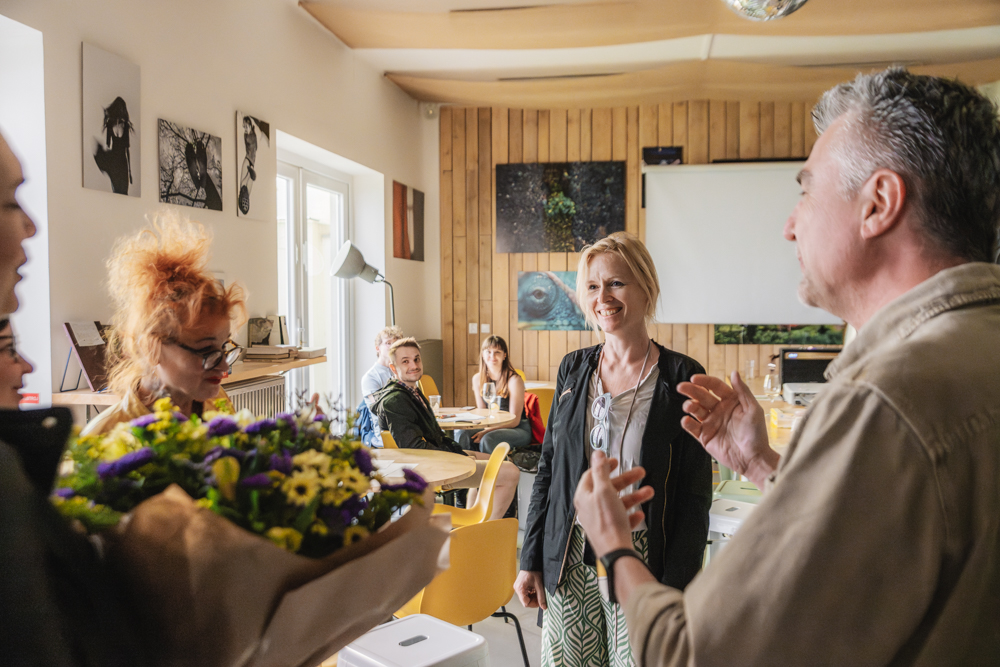
MAKING SENSE mini-fest was launched in association with TANGIBLE TERRITORY journal, and was followed by Ecstatic Truth IX symposium – Ways of knowing (practice as research, material resistance and re-presented reality in expanded documentary form).
Many thanks to our VŠŠK students Sára Hybešová and Šárka Majerová for their essential behind-the-scenes work—shaping the visuals, managing logistics, and making the event come to life. Thank you to Dany’s Wine Bar for the refreshments and to VŠKK for hosting the event. Finally many thanks to all the participating artists, workshop leaders as well as all the participants for your openness, your presence, and for making this day one of playful inquiry and shared discovery.
Photos by Jakub Nerad
Film stills by Ted Burski


 Tereza Stehlíková
Leave a comment